
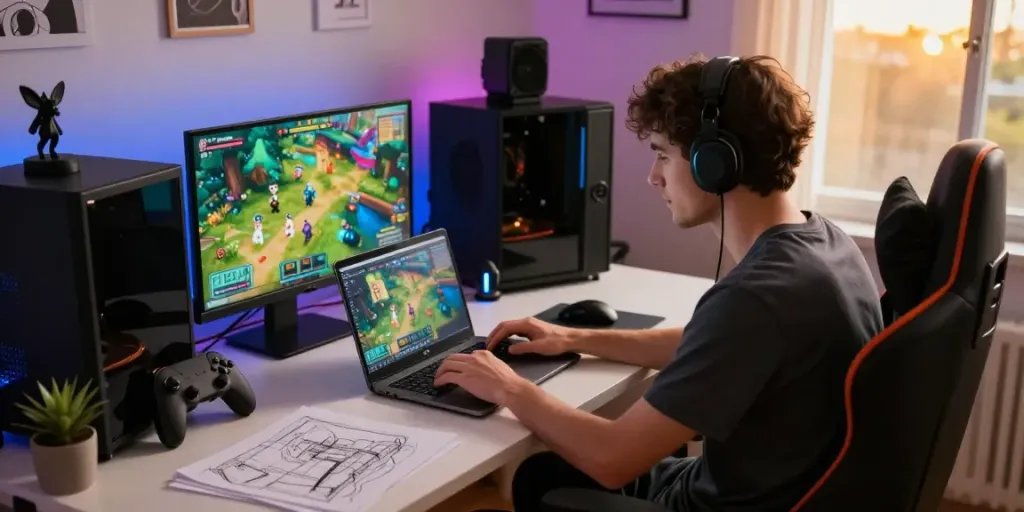
Understanding the Creative Process Behind Game Development
The creation of a video game is a complex symphony of creativity, technology, and passion. From concept inception to the final launch, the journey is filled with challenges that require not just technical prowess, but also a deep understanding of player expectations and market dynamics. Every detail, from graphics to gameplay mechanics, influences how a game resonates with its audience. At rokok88, we delve deep into these processes, exploring the intricate web of inspirations that drive game design.
What Does It Take to Create a Game?
Creating a game involves a multifaceted approach that incorporates various disciplines. Key professionals in this space include game designers, programmers, artists, and sound engineers. Each team member plays a pivotal role in crafting a cohesive experience. For instance, while designers focus on the gameplay mechanics and user interface, artists bring the visual elements to life, and programmers ensure that the game runs smoothly across different platforms. The collaboration among these experts is essential to meet both technical and creative standards.
Key Influences on Game Design and Aesthetics
The aesthetics of a game are often what initially attract players. Designers draw inspiration from a wide range of sources, including art, films, and even historical events. For example, the visual style of a game can be influenced by cultural art forms, such as Japanese anime or European architecture. Furthermore, the choice of color palettes and character designs can set the tone for the entire gameplay experience, making it crucial for developers to be aware of prevailing design trends and player preferences.
How Technology Shapes Gaming Experiences
Advancements in technology have revolutionized game development, enabling richer, more immersive experiences. Cutting-edge technologies like virtual reality (VR) and augmented reality (AR) are becoming increasingly prevalent, offering players new ways to engage with their favorite games. Additionally, improvements in graphics engines allow for stunning visuals, while AI enhances gameplay through more intelligent NPC behavior and procedural content generation. Understanding these technologies is imperative for developers aiming to create innovative gaming experiences.
Exploring Unique Inspirations in the Gaming World
Inspiration is the heartbeat of game development, driving creative minds to push boundaries and explore uncharted territories. From unique visual styles to intricate storylines, games are a product of diverse influences and innovative ideas.
Visual Inspirations: Where Do Artists Find Their Ideas?
Artists often look beyond the usual sources for inspiration. Nature, architecture, mythology, and even dreams can trigger ideas for breathtaking game visuals. Moreover, art movements like surrealism or minimalism may significantly impact the overall design aesthetics, helping games stand out in a crowded marketplace. By blending personal experiences with broad artistic influences, game designers can create rich, engaging environments that captivate players.
The Role of Storytelling in Game Playability
Storytelling is not just an add-on; it's integral to player engagement. A compelling narrative can elevate game design, offering players an emotional connection to characters and events. Effective storytelling involves crafting believable plots, developing relatable characters, and ensuring that gameplay mechanics align with the narrative flow. Many successful games incorporate branching storylines, allowing players to make choices that influence outcomes, further enhancing immersion and playability.
From Concept to Reality: The Journey of a Game
The journey from concept to a finished product can be long and arduous. It typically begins with brainstorming sessions where ideas are fleshed out, followed by prototyping, testing, and eventually, production. Each phase holds its own set of challenges, from ensuring that gameplay is enjoyable to refining graphics and fixing bugs. Continuous player feedback during development helps developers pivot swiftly, ensuring that the final product aligns with audience expectations.
Trends and Innovations Impacting the Gaming Industry
As the gaming industry evolves, staying ahead of trends is crucial for developers and content creators alike. Understanding emerging patterns helps inform better business decisions and enhances player experiences.
Future Gaming Trends to Watch in 2026
The gaming landscape is constantly transforming, and several trends are poised to shape the future. For instance, the rise of cloud gaming allows players to access high-quality titles without needing powerful hardware. Additionally, the proliferation of mobile gaming continues to expand the market, with casual gamers seeking engaging experiences on the go. Furthermore, increased emphasis on social gaming, as seen with multiplayer experiences and online communities, creates environments where players can connect and collaborate.
Innovative Technologies Reshaping Player Experiences
Technological advancements such as AI, machine learning, and blockchain are redefining how games are developed and played. AI can power dynamic difficulty adjustment, tailoring game challenges to player skill levels, ensuring that all players have a satisfying experience. Meanwhile, blockchain technology offers the potential for decentralized game ownership, allowing players true control over in-game assets, playing a transformative role in player engagement and monetization.
How Community Feedback Influences Game Development
Community feedback has become an invaluable resource for developers. Engaging directly with players through forums, beta testing, and social media allows creators to gather insights that directly inform game mechanics and features. This iterative approach helps ensure that the final game reflects player desires and preferences, increasing the likelihood of commercial success.
Engaging with the Gaming Community
Building a strong connection with the gaming community is vital for anyone involved in the industry. It fosters loyalty and creates a supportive environment for both gamers and developers.
Building Connections Through Online Platforms
Social media platforms and online forums serve as powerful tools for connecting with the gaming community. Developers can share updates, gather feedback, and foster discussions with players. Active engagement helps build brand loyalty, as players feel more invested in games when they are part of the conversation. Additionally, utilizing platforms like Twitch for live streaming gameplay can amplify reach and provide real-time interaction.
How to Make Your Gaming Blog Stand Out
With numerous gaming blogs available, ensuring yours stands out is crucial. Focus on niche topics that resonate with specific audiences, employ a unique voice, and provide in-depth analysis that goes beyond surface-level reporting. Including personal anecdotes or original research can enrich your content, making it relatable and engaging. Visual elements such as infographics and videos can also enhance the reader's experience.
Participating in Events and Competitions
Participation in gaming events and competitions is another effective way to engage with the community and gain visibility. Events like gaming conferences or eSports tournaments provide opportunities for networking, learning, and showcasing your work. Hosting competitions related to your blog, such as game design challenges, can encourage community involvement and increase your brand’s reach.
Measuring Success as a Gaming Content Creator
Metrics play a pivotal role in assessing the effectiveness of your gaming blog. By understanding key performance indicators (KPIs), you can gauge audience engagement and refine your content strategy.
Key Performance Indicators for Gaming Blogs
Important KPIs for gaming blogs include organic traffic, social media engagement, and conversion rates. Monitoring these metrics helps in identifying what content resonates most with your audience. Utilizing tools like Google Analytics allows you to track user behavior, providing insights into how visitors interact with your site, ultimately guiding your strategy toward more effective content creation.
How to Utilize Analytics to Improve Engagement
Analytics can reveal crucial information about your audience's preferences and behavior. By evaluating data such as page views, bounce rates, and average session duration, you can determine which articles perform well and identify opportunities for improvement. Regularly refining your content strategy based on these insights will help maintain relevance and increase engagement over time.
Case Studies of Successful Gaming Blogs
Examining successful gaming blogs can provide valuable lessons. Blogs that focus on in-depth reviews, industry analysis, or niche markets often perform well. For instance, sites that specialize in retro gaming or specific genres tend to build dedicated followings. Learning from their strategies can inform your approach, helping to cultivate a unique voice and a loyal community.
What are the Biggest Common Misconceptions About Gaming Blogs?
One common misconception is that gaming blogs are solely for news dissemination. In reality, they can serve multiple purposes, including storytelling, analysis, and community engagement. Understanding this can help content creators diversify their offerings and appeal to a broader audience.
How Can I Keep My Content Relevant in 2026?
To keep your content relevant, stay informed about industry trends and player preferences. Regularly updating your blog with fresh insights, game reviews, or analysis of gaming culture helps maintain audience interest. Additionally, being adaptable to changing technologies and platforms will ensure your content is always on the cutting edge.
Best Practices for Writing Engaging Gaming Articles?
Engaging gaming articles often combine storytelling with factual reporting. Using relatable language, incorporating humor where appropriate, and providing actionable insights enhances reader connection. Structuring content with clear headings, bullet points, and visuals increases scannability, making it easier for readers to digest information. Regularly experimenting with different content formats can also keep your blog fresh and engaging.
What Are the Key Steps to Becoming a Successful Game Blogger?
Becoming a successful game blogger involves dedication and a strategic approach. Start by cultivating a niche, building a unique voice, and consistently producing high-quality content. Networking within the gaming community, participating in discussions, and leveraging social media are essential for building visibility and engagement. Staying adaptable and open to feedback will help you refine your craft and meet audience expectations.